How to Edit Historical Fiction (Without Losing the Past)
Historical fiction is a genre I’ve long felt drawn to, not only as a reader, but as an editor. There’s something uniquely captivating about stories that straddle the line between memory and imagination, fact and fiction. They offer us the thrill of immersion in another time, while still speaking directly to the human experience that persists across centuries. I’ve had the privilege of editing historical fiction manuscripts, and each one has brought its own distinct texture, its own palette of period detail, voice, and emotional depth.
Editing these works feels like handling antique lace: it demands a gentle, respectful touch, but also the keen eye and structural awareness to ensure the piece holds together. The goal isn’t just historical accuracy; it’s authenticity. Atmosphere. Emotional credibility. That’s where editing comes in, and where it can make all the difference.
Respecting the Research (and Knowing Where It Belongs)
Most historical fiction writers are meticulous researchers. You might spend months poring over primary sources, walking through archive-still streets, or obsessing over the price of a cup of tea in 1847. That work matters, and it shows. But one of the most important parts of editing historical fiction is helping ensure that research serves the story, not the other way around.
Sometimes, research can overwhelm the narrative. We don’t need a catalogue of every item on a Victorian breakfast table; just the one detail that tells us who this character is, or what’s important at this moment. Part of my editorial role is helping you identify which details sing, and which need to fade into the background.
Tip: Historical detail is most powerful when it’s invisible - sensed, not shouted.

The world your characters walk through matters: sound, texture, and mood bring history to life just as much as dialogue and plot.
Helping Voice and Language Feel ‘Of the Time’ (But Never Distant)
Getting the voice right is essential. The language of historical fiction needs to sound authentic, but it also needs to be readable. This tightrope walk is one of the hardest elements to get right, and it’s where editorial guidance can make a significant impact.
My approach is to help you tune the language so that it evokes the rhythms and cadences of the time, without lapsing into parody or alienating the reader. Whether that means gently modernising overly archaic phrasing or ensuring your dialogue has a believable cadence, I’ll help you find a voice that feels rooted in the past, but speaks directly to the present.
Supporting Story Structure and Pacing
Historical fiction often spans years - even generations - which means the structure has to do a lot of heavy lifting. My role as your editor is to help ensure the narrative flows, even when timelines shift, or when multiple perspectives or locations are involved.
If you choose a manuscript critique, I’ll help you step back from the draft and assess what’s working in terms of structure, pacing, and character arcs. Do the early chapters build enough narrative momentum? Is there a subplot stealing oxygen from the main story? Does the emotional payoff land where it should?
This bird’s-eye view is essential before polishing the line-level prose. It’s about strengthening your story’s scaffolding so the historical world you’ve built has room to shine.
Watching for Anachronisms (Without Getting Lost in the Weeds)
One of the more technical (but necessary) tasks in editing historical fiction is scanning for anachronisms. These might be obvious (a reference to a Beatles song in 1910), or more subtle (a turn of phrase that didn’t exist yet, a gesture out of cultural context).
I approach this gently and collaboratively. Editors aren’t here to scold or nitpick; we’re here to help preserve the integrity of your world. I’ll flag anything that feels out of place and offer suggestions or queries to help keep your historical frame watertight.
Honouring the Emotional Truth
More than anything, good historical fiction connects us emotionally to lives that might, at first glance, seem distant or unfamiliar. It invites us to walk in the shoes of people shaped by different social codes, different rules, different landscapes, but still driven by recognisable hopes, fears, and dreams.
When I edit historical fiction, I’m not just looking at grammar or sentence structure. I’m tuning into the emotional arc of your work. Do your characters’ choices make sense within their time? Are the moments of love, loss, grief, or joy grounded in the world you’ve built?
Editing historical fiction is a balancing act between the craft of storytelling and the ethics of evocation. My job is to help you carry both with care.
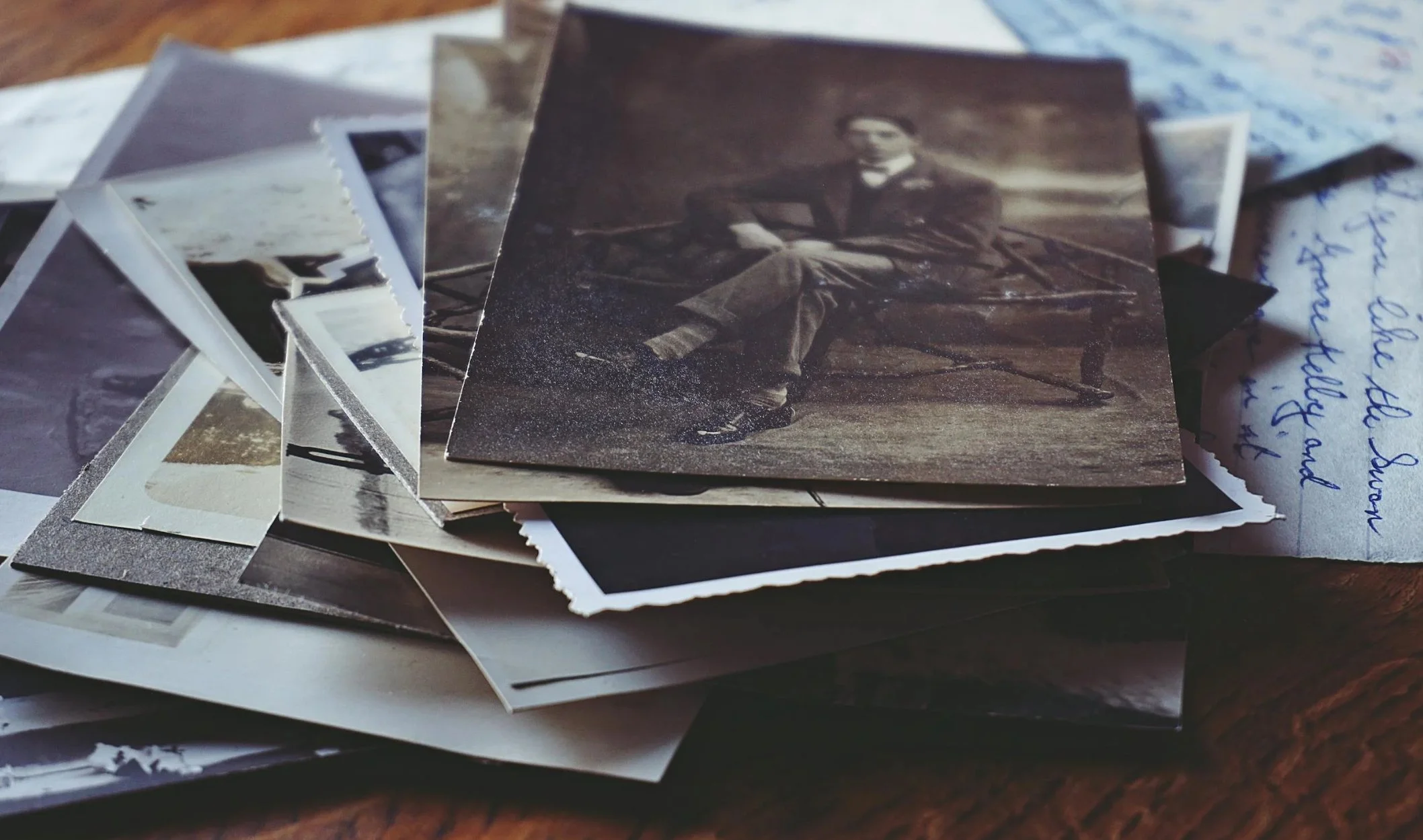
Historical fiction is a bridge from your imagination to the reader’s heart, across time, memory, and forgotten voices.
Final Thoughts: The Past Is Still Being Written
Historical fiction is never just about the past. It’s about what the past has to say to us now. That’s why editing it matters so deeply. When done well, your work doesn’t just resurrect a moment in time; it reanimates the reader’s imagination.
Whether you’re revising your first historical novel or preparing a manuscript for submission, I’d love to support your journey. You’ve built a world, and I’ll help you bring it to life.
This post is part of the archive of The Studio Blog, which is no longer being updated. My current writing on editing, reading, and the craft of working with words now lives at The Margins — a Substack where I publish literary essays, editorial reflections, occasional personal writing, and a monthly newsletter. It's free to read, and I'd be glad to have you there.
— Laura
