Editing Fantasy & Sci‑Fi: Building Worlds That Work
Fantasy and science‑fiction give writers a remarkable gift: the freedom to reshape reality. Maybe you’re imagining a city floating among clouds, or a far‑flung planet with twin suns. Maybe you’re conjuring magic systems, alien cultures, or futuristic technology. The possibilities are vast.
But with that freedom comes a subtle danger: losing your reader in the wonder of the world rather than grounding them. As an editor, I believe speculative fiction needs two kinds of skill at once - ‘make‑believe’ and ‘make‑sense.’ I love working on fantasy or sci‑fi projects because the challenge is never just about accuracy. It’s about authenticity, internal logic, and emotional truth. When you’re building worlds that don’t exist, the rules you set must hold firm so your story can soar, without collapsing under its own weight.
In this post, I’m sharing what I look for when editing speculative fiction: how to help your world breathe, while keeping your readers anchored.
Worldbuilding: Depth Over Excess
One of the biggest temptations in fantasy and sci‑fi is to show as much of your world as you know. You’ve plotted the kingdoms, the magic system, the political history, the languages, the climates, the architecture - why not give it all to the reader? Because you know it, and because it’s brilliant.
But here’s the catch: your reader doesn’t need to know it all. What they need is just enough to believe and care.
Strong editing of speculative worlds often means helping the writer - and themselves - ask: What really matters here? What details show character, tone, tension or theme, and what’s just backlog or indulgence? When too much gets dumped in, pacing suffers, the narrative gets bogged down, and readers can lose their grip on the story.
Let your magic‑system, or culture, or world‑history exist, but don’t feel compelled to let it speak all at once. Drop crumbs. Let readers discover the world gradually, naturally.
That’s often where an editor’s subtle hand is most useful - flagging moments of potential overload, helping you space out worldbuilding, and asking: Does this detail move the story, or slow it down?
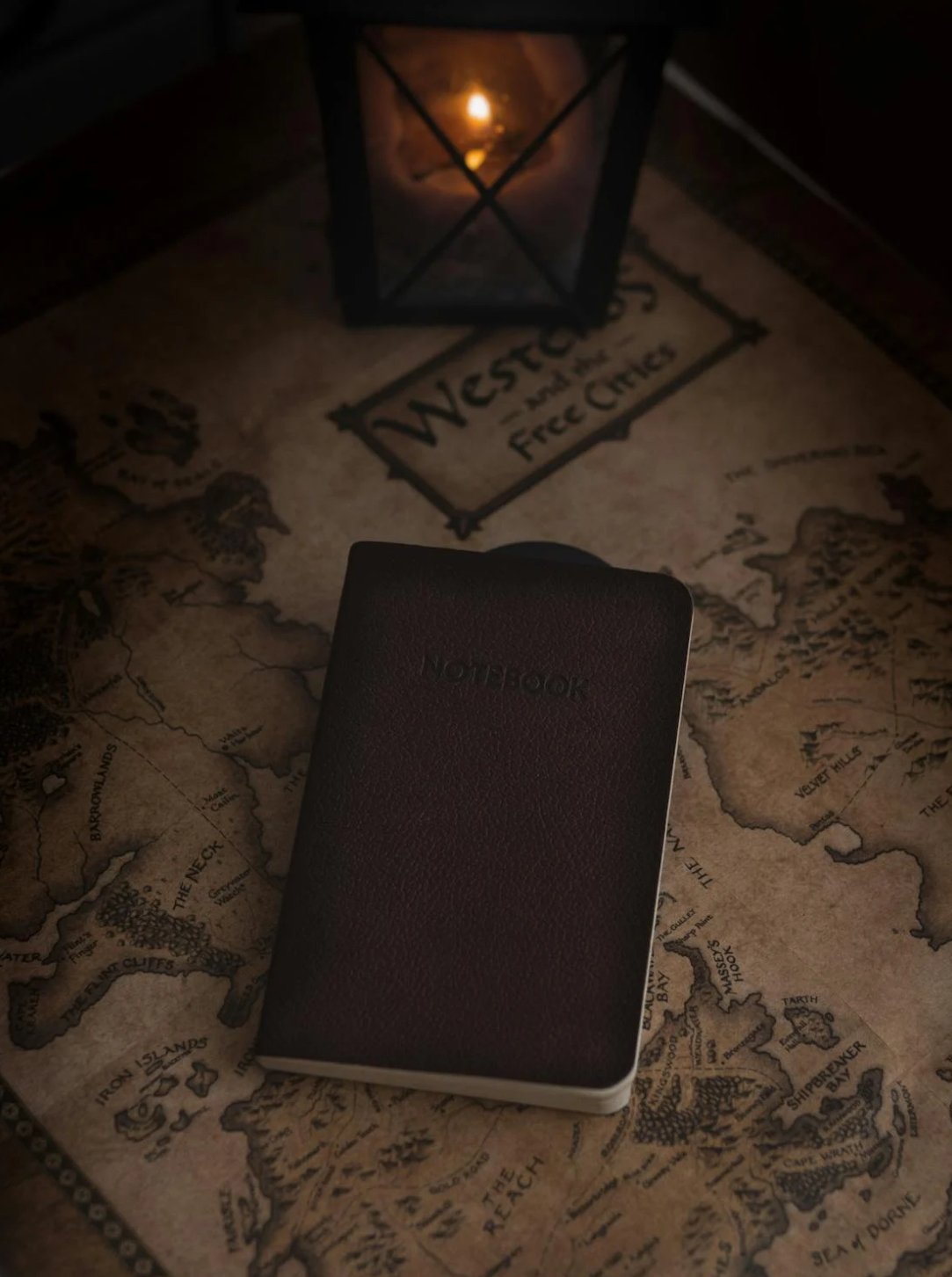
Every fictional world starts with a map: of places, people, and purpose. Editing speculative fiction means walking through these imagined lands with care, respect, and curiosity.
Internal Logic, Rules & Plausibility (Even In the Impossible)
Whether you call it ‘scientific plausibility’ or ‘magical consistency,’ speculative fiction thrives on internal logic. What you introduce must behave consistently, otherwise, the world falls apart.
A spell system where fire requires blood sacrifice works, but only if you’ve shown it before. A futuristic weapon should follow the laws you’ve set. A culture, a language, a societal rule must make sense in light of your world’s history.
In editing speculative fiction I often play detective. I check:
Is your world’s internal logic consistent across chapters?
Have you kept track of characters, places, timelines?
Do rules of magic/tech remain constant, or shift when convenient?
When you violate your own rules (even subtly) you risk breaking the reader’s trust. It’s not about policing creativity, but about honouring it.
Plot & Character: The Heart of Speculative Worlds
A world alone is not a story. What gives it weight and staying power is your characters, their hopes, fears, goals, and how they navigate the world you’ve created.
Good speculative fiction doesn’t trade character for spectacle. It balances the wonder of setting with emotional realism. Characters must behave as humans (or aliens, androids, etc) with motivations, flaws, contradictions.
When working on a speculative manuscript, I look at:
Does the protagonist grow (or change) meaningfully?
Are consequences believable? Not just in world‑ending doom, but personal interests: identity, belonging, morality.
Is there a human heart beating beneath the lasers and castles and shifting dimensions?
Even in the most alien setting, real human emotions anchor the story. And that’s where editing can lift a novel from ‘cool world’ to ‘unforgettable story.’
Pacing & Structure: When Worlds Expand, Don’t Lose Momentum
Speculative fiction often involves big ideas: galaxy‑spanning politics, multi‑part wars, temporal shifts, centuries of history. That breadth can enrich a novel, but it can also weigh it down if handled without care.
That’s why pacing and structure matter more than ever. As an editor working with speculative fiction, I pay close attention to:
Where exposition happens (too early = sluggish, too late = confusing)
Whether action, tension, and character development alternate with worldbuilding to keep rhythm balanced
How subplots interplay with the main arc, avoiding ‘showcase overload’ where too many big ideas compete for attention
You don’t have to sacrifice your vision. But you do need to build your story with the reader in mind - not as an anthology of ideas, but as a journey with beginning, middle and meaningful destination.
Language, Voice & Tone: Magic That Doesn’t Break the Spell
Fantasy and sci‑fi come in many flavours. Some are lush, mythic, lyrical. Some are stark, gritty, clipped. Whatever tone you aim for, the language needs to be consistent, alive, and immersive. That means editing is never just about grammar or readability, but about preserving voice while enhancing clarity.
In my editing approach I focus on:
Maintaining tone - avoiding slips from archaic-style prose into modern idiom (or vice versa)
Ensuring description is evocative but doesn’t stall the narrative
Balancing dialogue, world‑building detail, and internal monologue so they serve character and plot
Fantasy and sci‑fi allow you to reimagine reality. But the magic of good writing lies in making that world feel real enough to walk through.
Final Thoughts: Let the World Live, But Don’t Let It Swallow Your Story

Crafting the extraordinary starts here, one word, one idea, one notebook page at a time. A skilled edit helps your worlds take shape without losing their magic.
Speculative fiction rewards ambition. It rewards curiosity. It invites you to think bigger; imagine different laws, different planets, different histories.
But ambition without structure becomes chaos. Curiosity without clarity becomes confusion. And a dazzling world without a grounded story can feel empty.
Editing fantasy or sci‑fi isn’t about taming your imagination. It’s about sharpening it, focusing it like a lens, so what’s inside shines.
If you’ve built a world, let me help you bring it to life on the page. Imagination deserves to live where it can be felt.
If you’re writing fantasy or sci‑fi and want a fresh editorial eye, I’d be honoured to read your work. Get in touch to discuss your project.
This post is part of the archive of The Studio Blog, which is no longer being updated. My current writing on editing, reading, and the craft of working with words now lives at The Margins — a Substack where I publish literary essays, editorial reflections, occasional personal writing, and a monthly newsletter. It's free to read, and I'd be glad to have you there.
— Laura
