What My Clients Taught Me last Year
Reflections from the editorial desk, January 31, 2026.
When you work as an editor, you become attuned to the rhythm of helping others shape their words, chapter by chapter, paragraph by paragraph. But as the year turns and I look back on 2025, I find myself thinking not just about the manuscripts I’ve worked on, but the writers who entrusted me with them. If I’ve learned anything this year, it’s that editing isn’t just about fixing, but about listening and learning.
This post is about the emotional landscape of editing, and the surprising, often profound, things my clients have taught me about writing, collaboration, and the quiet courage it takes to say, “Here’s my story. Will you help me tell it better?”
1. Writers want to be seen, not judged.
Again and again this year, I’ve been reminded that the best editing relationships are rooted in trust. Behind every draft is a writer wondering if their words are enough. Whether it’s a memoir that’s taken years to shape or a first attempt at fiction, the vulnerability is real.
My clients have reminded me to approach every manuscript carefully; to honour the work already done before I ever step in. To edit gently, honestly, and never with the red pen swinging.
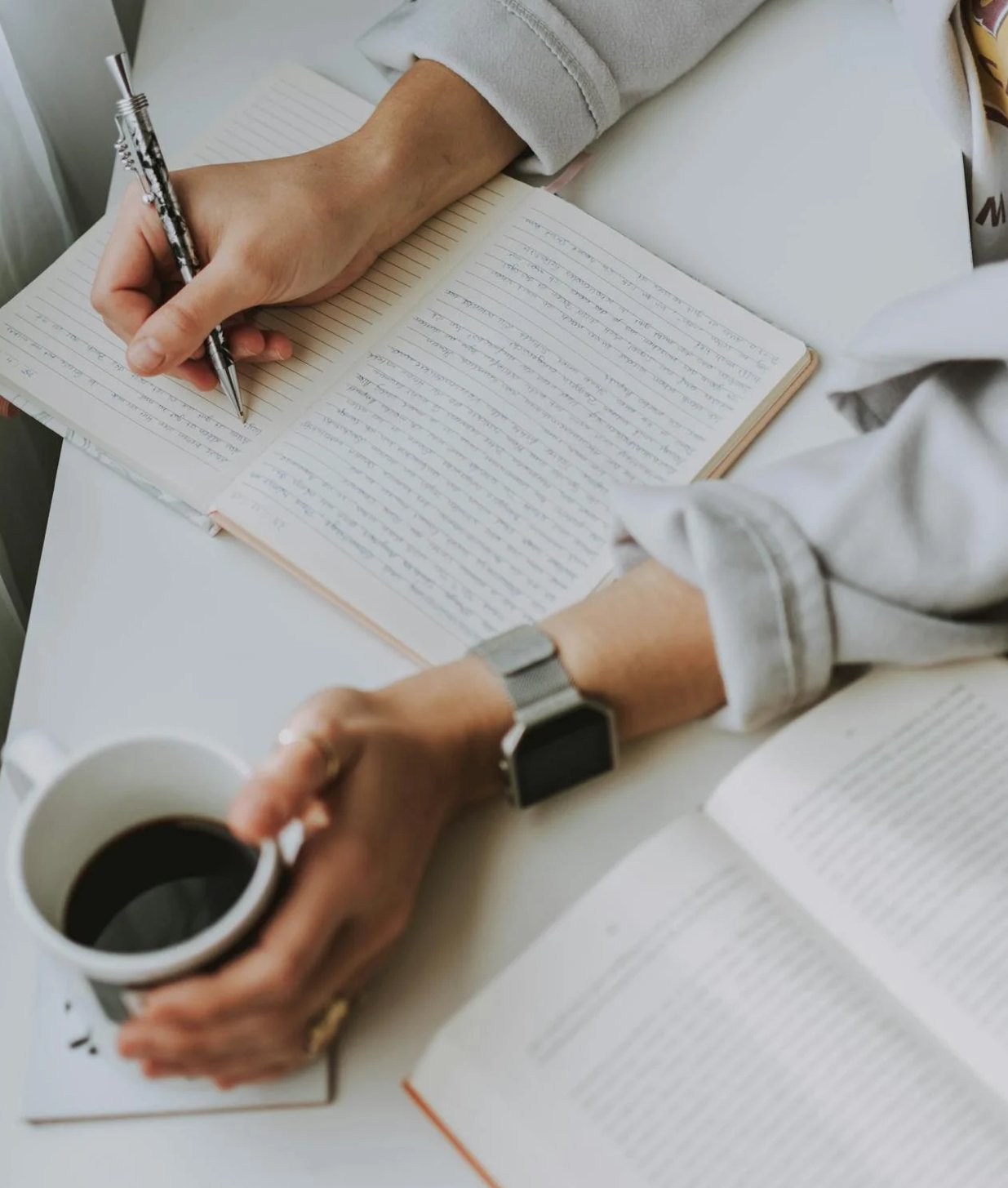
Behind every markup is a moment of trust, and a belief in the story.
2. No two stories are ever the same (and that’s the point).
From lyrical explorations of grief to intricate historical fiction to memoirs full of quiet defiance, last year’s projects were wildly varied. And yet, there’s always a moment, often subtle, when the writer’s voice clicks into place.
It’s taught me to tune in, not just to the writing, but to the writer: their rhythm, their message, their voice. My job is not to smooth everything into sameness, but to help their voice rise from the page without distortion.
3. Clarity takes courage.
A recurring theme in last year’s work was the bravery it takes to simplify. Writers sometimes feel they must prove something on the page with extra description and/or elevated language. But the clearest sentences are often the hardest-won.
I saw clients take editorial suggestions on board, wrestle with them, and then return with tighter, truer prose. Watching that growth unfold has reminded me that clarity isn’t about dumbing down, but about trusting the story to hold its shape.
4. Editing is emotional labour.
When I take on a manuscript, I’m not just scanning for typos. I’m acutely aware that I’m investing in someone’s dream. I’m stepping into the emotional charge of their words: grief, joy, doubt, ambition.
Last year, I found myself deeply moved by my clients’ stories. Some made me laugh, others made me cry. A few left a lingering quiet after I closed the document. Those moments remind me why I do this work; it’s about connection.
5. Good editing is a conversation.
The most satisfying edits of last year (or any year) are never one-way handovers. They’ve conversations; thoughtful, collaborative exchanges where the work improves because we both bring something to it.
My clients have asked excellent questions. They’ve pushed back when something didn’t feel right. And they’ve taught me that editing is about dialogue, not authority. When both sides are engaged, the work becomes richer.
A quiet thank you.
To the writers I’ve worked with this year: thank you. You’ve challenged me, trusted me, and let me walk alongside your words for a while. I don’t take those things lightly.
Editing isn’t just what I do, it’s something I’ve built my life around. As I move into 2026, I carry all of this with me: the stories, the sentences, the silences in between.
Editing is, I’ve learned, the art of believing in someone else’s story. And I believe in yours.
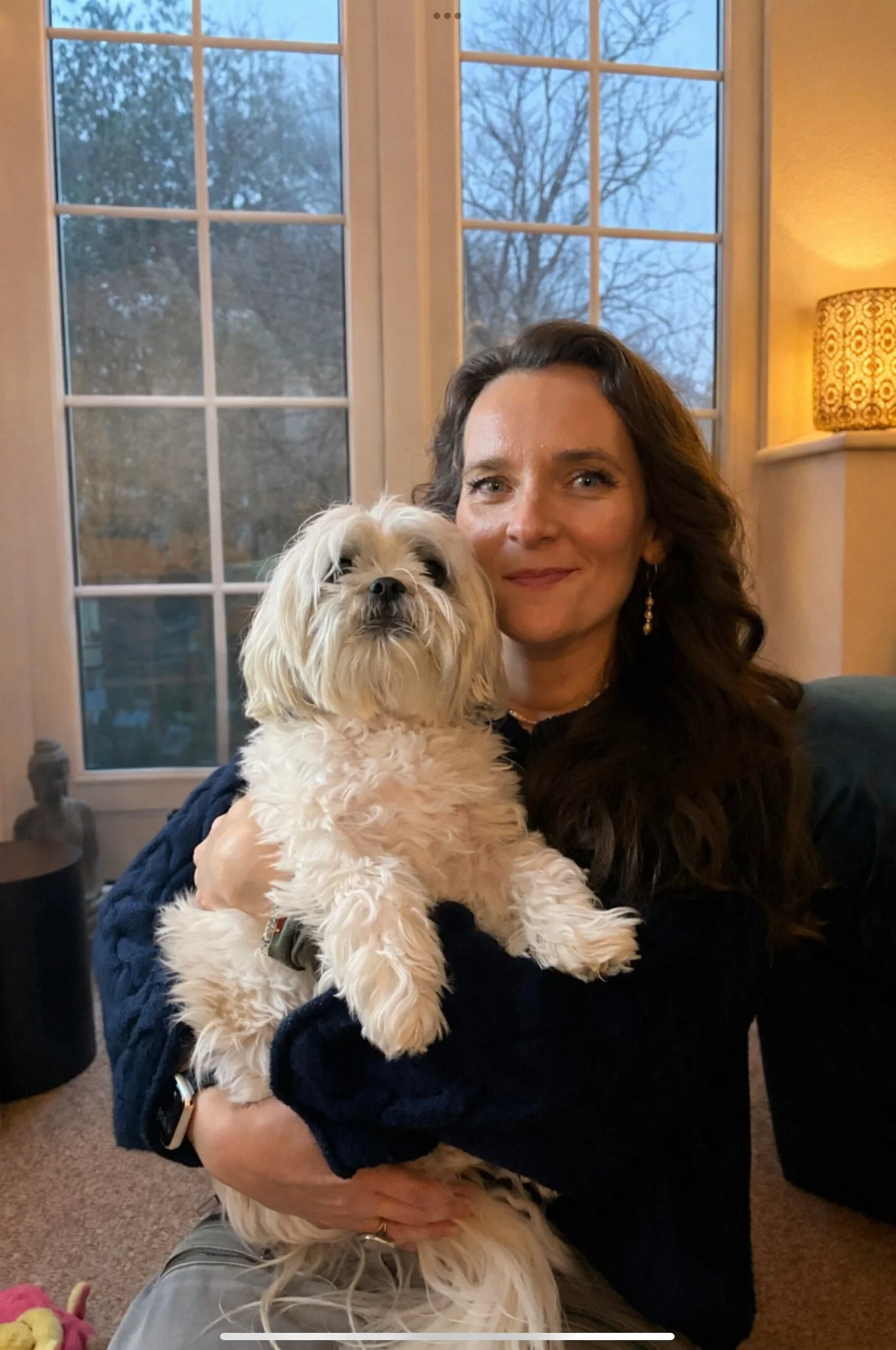
To every writer who let me walk alongside their words last year, thank you.
Thinking of working together in 2026?
I’m now booking manuscript critiques and copy editing projects for spring 2026. If you’re ready to take your words seriously, I’d love to hear from you.
This post is part of the archive of The Studio Blog, which is no longer being updated. My current writing on editing, reading, and the craft of working with words now lives at The Margins — a Substack where I publish literary essays, editorial reflections, occasional personal writing, and a monthly newsletter. It's free to read, and I'd be glad to have you there.
— Laura
