What to do with a finished draft (before you start editing)
There’s a particular kind of restlessness that comes at the end of a draft. You reach the final page and write the last line. You sit with it for a moment — perhaps longer — and then, almost immediately, the instinct kicks in:
Now I need to fix it.
You begin scanning sentences. Adjusting words. Tightening phrases. Correcting things that suddenly feel obvious. This all feels very productive, and responsible, even… but it’s not always the most helpful place to begin.
The Urge to Refine
Finishing a draft creates a shift in perspective. What was once exploratory now feels exposed and begins to look uneven. You start to notice repetitions, awkward phrasing, moments that don’t quite land.
This is a natural part of the process. It means you’re beginning to see your work as a reader might. But it also creates a kind of urgency; a sense that everything needs attention at once.
So you start with what’s closest: the sentence.
The Problem With Starting Small
Sentences are tangible. They can be improved quickly. You can make a visible change and feel that something has been accomplished. But when editing begins at this level, something important can be missed.
A manuscript is not built from sentences upward. It is built from intention downward. If the central thread isn’t yet clear, refining individual lines can anchor parts of the manuscript that may later need to shift, or even disappear.
Writers often describe this stage as “polishing too soon.” But it’s not a failure of discipline. It’s a reflection of where your attention naturally goes when the work feels complete.
What a Finished Draft Really Is
A finished draft is a complete exploration. It holds:
the full shape of your thinking
the range of your ideas
the beginnings of structure
the emergence of voice
But it is still in motion. What you have at this stage is not something to perfect. It is something to understand.
Reading Differently
Before editing begins, something quieter needs to happen first. You need to read the work not as its author, but as its observer. This doesn’t require distance in time (though that can help). It requires a shift in attention.
Instead of asking: Is this well written?
Try asking:
What feels central here?
Where does the energy hold and where does it thin out?
What seems to matter most?
What feels uncertain, or unresolved?
These are not questions you answer line by line. They emerge as you move through the work as a whole.
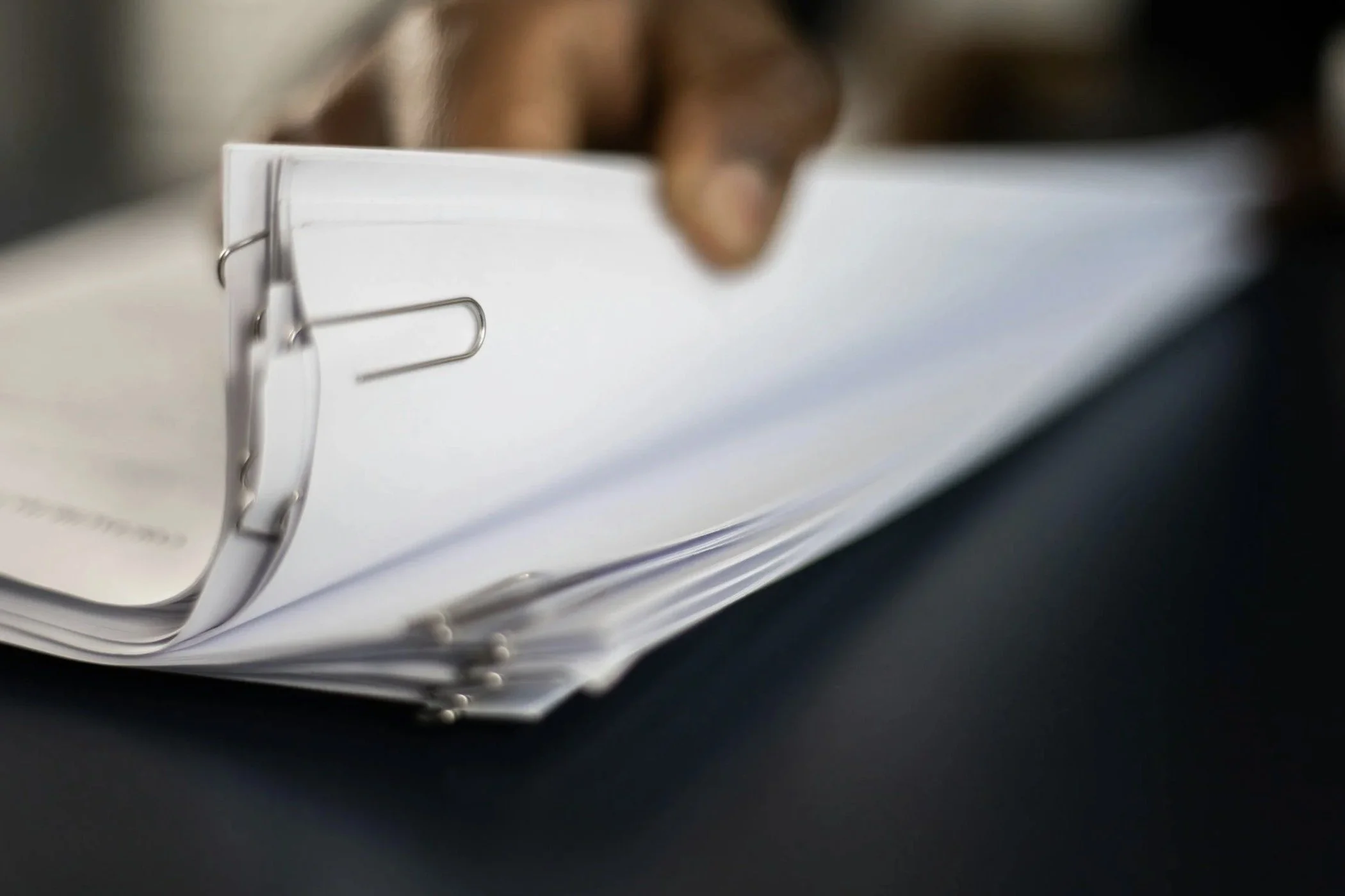
Editing doesn’t always begin with changing the page. Sometimes, it begins with simply reading it differently.
Letting the Shape Emerge
Many writers begin with a clear idea of what they are writing but by the end of a draft, something has usually changed. A theme has deepened. A character has taken on more weight. An argument has shifted direction. A quieter thread has become more significant than the original premise.
This is discovery. Before editing, there is value in allowing that discovery to become visible. Sometimes the most important work at this stage is not rewriting, but recognising: What is this really about now?
The Value of Restraint
There is a discipline in not editing too soon. It can feel counterintuitive because writers are often taught to refine, improve, strengthen.
Of course all of that matters, but restraint creates space for clarity. When you pause before editing, you allow yourself to see patterns:
where ideas repeat
where structure loosens
where something important is being approached but not yet said
These patterns are difficult to notice when attention is fixed on individual sentences.
Editing as Sequence, Not Urgency
Editing is not a single act — it is sequence. And like any sequence, the order matters.
When writers move too quickly into line-level changes, they often find themselves repeatedly returning to the same sections; rewriting sentences that sit within parts of the manuscript that are still shifting. This can be frustrating and incredibly discouraging.
But when editing begins with perspective — with structure, intention, and clarity — the later stages become lighter; more focused and effective.
Editing works best when it begins with perspective, not precision.
What Comes Next
If you’ve reached the end of a draft, you’ve already done something substantial. The next step isn’t to fix everything at once, but to step back, re-read, and notice. You need to allow the work to reveal its shape before you begin refining its surface.
Editing will come; it always does. But it works best when it follows understanding, not urgency.
Writing is a process of discovery. Editing is where that discovery becomes clear.
If you’re at the stage where your draft is complete but its shape still feels uncertain, I offer Manuscript Critiques and Editorial Assessments designed to bring clarity without overwhelm. My approach is thoughtful, respectful, and collaborative, focused on understanding what you’re trying to create, and helping you move forward with confidence.
This post is part of the archive of The Studio Blog, which is no longer being updated. My current writing on editing, reading, and the craft of working with words now lives at The Margins — a Substack where I publish literary essays, editorial reflections, occasional personal writing, and a monthly newsletter. It's free to read, and I'd be glad to have you there.
— Laura
